


New Orleans Fencing Solutions for Every Budget
Residential License # 890459
Commercial License # 3667

 BigEasyFences
 New Orleans is one of the most beautiful cities in the country, but it’s also one of the toughest on outdoor structures. With average humidity hovering around 76% year-round, over 64 inches of annual rainfall, and the ever-present threat of hurricane season, the fence you choose for your property needs to do more than just look good. It needs to survive.
Choosing the wrong fence material in Southeast Louisiana can mean warped boards, rust stains down your driveway, or a fence that falls apart after just a few years. The good news is that several materials are built to handle everything the Gulf Coast throws at them. Below, we break down the best fence materials for New Orleans weather so you can make an informed decision for your home or business.
Before diving into specific materials, it helps to understand exactly what your fence is up against. New Orleans has a humid subtropical climate, which means long, hot summers with temperatures regularly exceeding 90°F paired with moisture-heavy air. The city averages roughly 76% relative humidity throughout the year, with peak levels reaching nearly 80% during July and August.
That constant moisture creates the perfect environment for wood rot, mold growth, and metal corrosion. Add in an average of 64 inches of rain per year — nearly double the national average — and you have conditions that will test any outdoor structure. Then there’s hurricane season from June through November, which brings high winds that can topple poorly anchored or rigid fencing.
Any fence material you choose should resist moisture damage, stand up to UV exposure, and ideally offer some flexibility or wind resistance during storms.
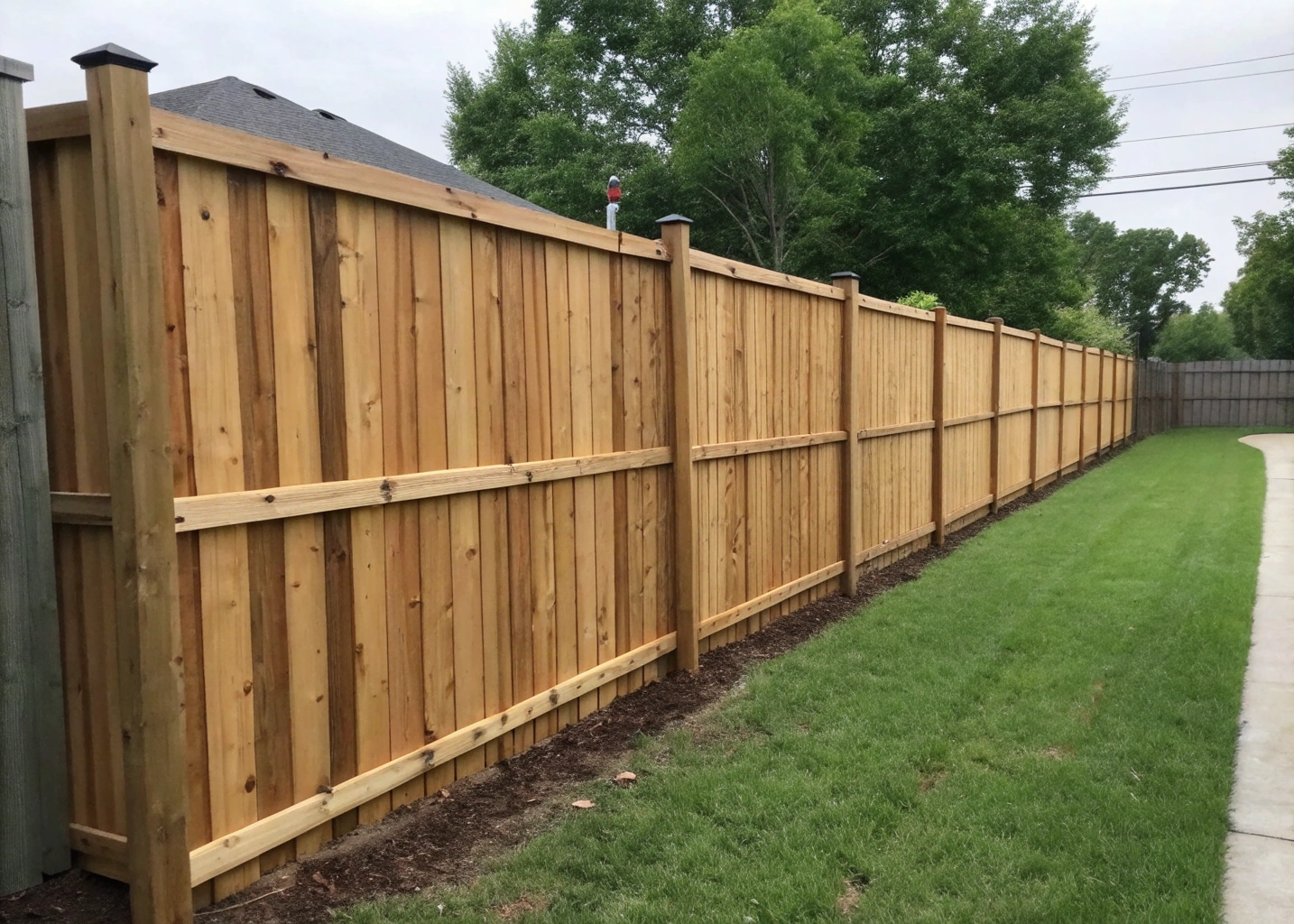
Pressure-treated pine remains one of the most popular fencing choices in the New Orleans area, and for good reason. The treatment process infuses the wood with chemical preservatives that help prevent rot, insect damage, and moisture infiltration. For homeowners who love the classic look of a wooden fence, pressure-treated lumber offers a solid balance between aesthetics and durability.
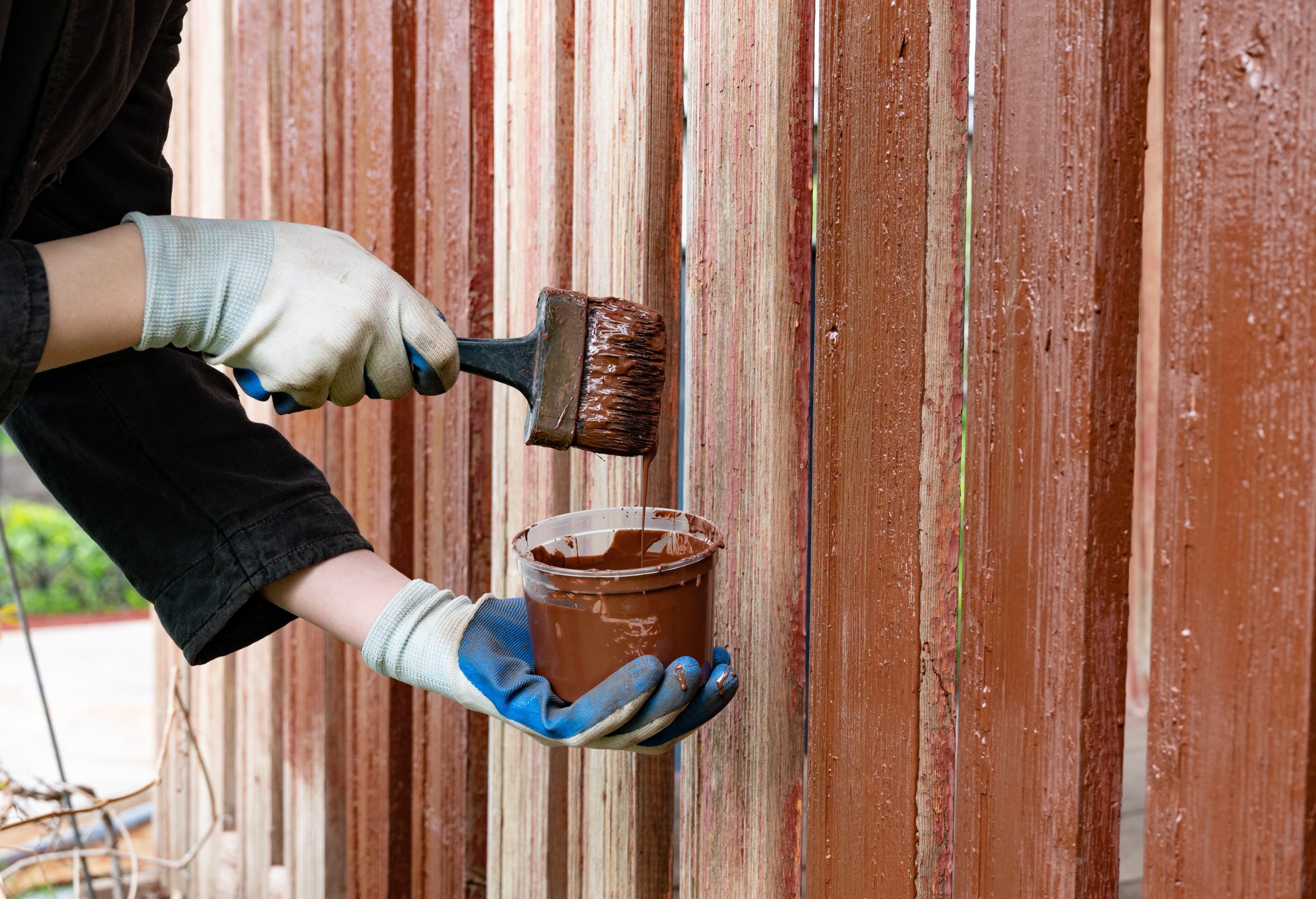
However, pressure-treated wood is not maintenance-free. In New Orleans’ climate, you should plan on staining or sealing your fence every two to three years to maintain its protective barrier. Without regular upkeep, even treated wood will eventually succumb to the humidity, developing mold, mildew, or structural weakness. A well-maintained pressure-treated wood fence typically lasts 10 to 15 years in this region.
Best for: Homeowners who want a traditional look and don’t mind regular maintenance.
Cedar is a natural step up from pressure-treated pine when it comes to weather resistance. The wood contains natural oils that repel insects and resist moisture, which gives it a significant advantage in humid climates like ours. Cedar fences tend to last roughly twice as long as treated pine fences in Louisiana’s environment, often reaching 15 to 20 years with proper care.
The natural grain and warm tones of cedar also give it a premium aesthetic that many New Orleans homeowners appreciate. It does require periodic sealing to maximize its lifespan, but it holds up far better than untreated or basic treated lumber against the daily onslaught of Gulf Coast humidity.
Best for: Homeowners who prefer natural wood and want better longevity than standard treated pine.
If low maintenance is your top priority, vinyl fencing is hard to beat in the New Orleans market. Vinyl is completely moisture-resistant — it will not rot, warp, crack, or splinter due to humidity or rain exposure. Unlike wood, it never needs staining, painting, or sealing. A simple wash with soap and water is all it takes to keep a vinyl fence looking new.
Vinyl also resists insect damage, which is a real concern in Southeast Louisiana where termites are notoriously active. The material holds its color well and can mimic the look of wood grain for homeowners who want that traditional aesthetic without the upkeep.
The main trade-off is upfront cost. Vinyl fence installation typically runs higher than wood, but the savings on maintenance over the fence’s 20- to 30-year lifespan often make it the more economical choice in the long run. One consideration is that vinyl can become brittle in extreme temperature swings, though this is less of a concern in New Orleans’ relatively mild winters.
Best for: Homeowners who want a set-it-and-forget-it fence with minimal upkeep.
Aluminum fencing is one of the smartest choices for properties in humid, rainy climates. Unlike steel or iron, aluminum does not rust. It’s naturally corrosion-resistant, which means it can stand up to New Orleans’ constant moisture without developing the orange streaks and structural weakness that plague untreated iron fences.
Aluminum fences offer a clean, modern look and are available in a wide range of styles, from simple picket designs to ornamental options that echo the classic wrought iron found throughout the French Quarter and Garden District. They’re also lightweight, which makes them easier to install and less likely to cause damage during high-wind events.
The primary limitation of aluminum is that it doesn’t provide much privacy, since most designs feature spaced pickets rather than solid panels. It’s also not the strongest option if security is a top concern, as the lighter gauge material can be bent with enough force.
Best for: Homeowners and businesses that want an elegant, rust-proof fence for decorative or boundary purposes.
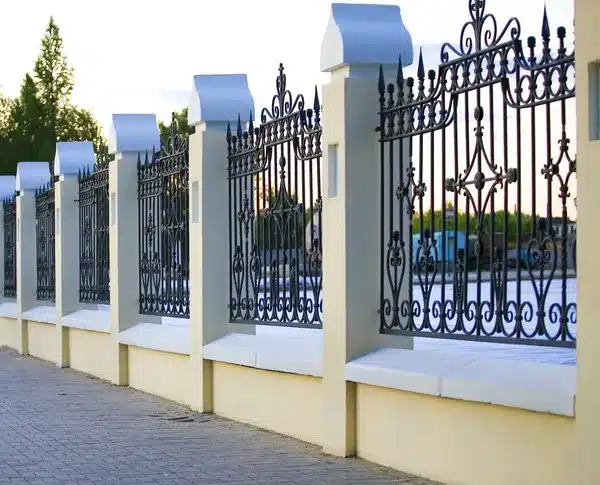
Wrought iron is synonymous with New Orleans. From the iconic balconies of the French Quarter to the grand gates of Uptown estates, wrought iron is woven into the architectural fabric of the city. It offers unmatched strength, security, and curb appeal, and a well-maintained wrought iron fence can last 50 years or more.
The catch is that “well-maintained” part. Wrought iron is highly susceptible to rust in humid environments. In New Orleans, that means regular inspection, sanding of any rust spots, priming, and repainting — typically every two to four years. If you neglect the maintenance, corrosion will compromise both the appearance and structural integrity of the fence relatively quickly.
For homeowners who love the look and are willing to invest in upkeep, wrought iron is an exceptional choice. It’s also worth noting that many neighborhoods in New Orleans have historic preservation guidelines that may require or encourage wrought iron fencing.
Best for: Homeowners in historic neighborhoods or those who prioritize security and classic New Orleans style.
Chain link might not win any beauty contests, but it’s one of the most practical and cost-effective fencing solutions for New Orleans properties. Modern chain link fences come in galvanized or vinyl-coated options that resist rust and corrosion even in constant humidity and rainfall.
Chain link is also one of the most wind-resistant fence types available, which matters during hurricane season. The open weave allows wind to pass through rather than catching it like a sail, which means chain link fences are far less likely to blow down in a storm.
For commercial properties, construction sites, or homeowners on a budget, chain link offers reliable perimeter fencing at a fraction of the cost of other materials. Adding privacy slats or vinyl coating can improve both the appearance and functionality.
Best for: Budget-conscious homeowners and commercial properties that need durable, wind-resistant fencing.
Selecting the best fence material comes down to balancing your priorities. Consider these factors:
Your budget determines your starting point. Wood is the most affordable upfront, while aluminum and wrought iron carry higher initial costs. However, factoring in long-term maintenance can shift the equation — vinyl and aluminum require far less spending over their lifespans.
Your maintenance tolerance matters just as much as budget. If you want a fence you can install and largely forget about, vinyl or aluminum is the way to go. If you enjoy hands-on property maintenance and want a specific look, wood or wrought iron may be worth the extra effort.
Your property’s needs should guide the style. Privacy fences call for solid-panel materials like wood or vinyl. Decorative boundary fencing suits aluminum or wrought iron. Security applications favor wrought iron or commercial-grade chain link.
Finally, consider local regulations. Some New Orleans neighborhoods, particularly those in historic districts, have specific requirements about fence materials, heights, and styles. Check with your local permitting office before committing to a material.
At Big Easy Fences, we’ve been helping New Orleans homeowners and businesses choose and install the right fences for decades. We understand the unique challenges that our climate presents, and we work with every material discussed above to find the perfect fit for your property, your budget, and your lifestyle.
Whether you’re looking for a classic wood privacy fence for your Mid-City backyard or an ornamental aluminum fence for your Metairie storefront, our team is ready to help. Contact Big Easy Fences today at 504-565-2547 for a free estimate and let us help you find a fence that’s built to last in New Orleans weather.
Vinyl and aluminum are the most durable options for New Orleans humidity because neither material absorbs moisture, rots, or corrodes. Vinyl fences can last 20 to 30 years with minimal maintenance, while aluminum offers similar corrosion resistance with an elegant, open design. Both materials outperform wood in longevity when exposed to the city’s average 76% relative humidity.
A pressure-treated wood fence in New Orleans typically lasts 10 to 15 years with regular maintenance, including staining or sealing every two to three years. Cedar fencing lasts longer — approximately 15 to 20 years — thanks to its natural oils that resist moisture and insects. Without consistent upkeep, wood fences in this climate can deteriorate significantly faster.
Wrought iron is an excellent choice for strength, security, and classic New Orleans aesthetics, but it requires diligent maintenance in the Gulf Coast’s humid environment. You’ll need to inspect for rust regularly and repaint every two to four years. If you’re committed to the upkeep, wrought iron can last 50 years or more and adds significant curb appeal and property value.
Chain link and aluminum fences tend to perform best during hurricanes because their open designs allow wind to pass through rather than catching it. Solid panel fences made of wood or vinyl can act like sails in high winds, making them more vulnerable to storm damage. If you prefer a privacy fence, consider reinforced posts and panels rated for high-wind conditions.
Fence installation costs in New Orleans vary by material, fence height, and property size. Wood fencing is generally the most affordable starting point, while wrought iron and aluminum tend to be higher. The best way to get an accurate price is to request a free estimate from a local fence company like Big Easy Fences that can assess your specific property and needs.
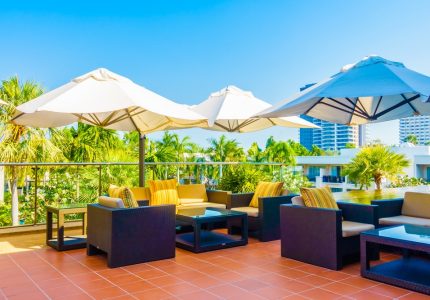
Transforming Your Commercial Space with Stylish Patio Covers can feel like a daunting task. You might be wondering… Is it truly worth the expenditure? The answer, my friend, is a resounding yes. Transforming your commercial space with stylish patio covers not only enhances its aesthetic appeal but also provides functional benefits that could boost your […]
Read More
Purchasing a quality wood fence is the most crucial part you will need to decide on. Wood has always been the most popular choice for durable fencing all across the country. Wood is a classic and timeless choice and looks great no matter what house design you already have. There are a lot of types […]
Read More
Find out if pressure treated wood is the right choice for your fence in New Orleans. Learn about the advantages, types, maintenance, regulations and lifespan of pressure treated wood fences.
Read More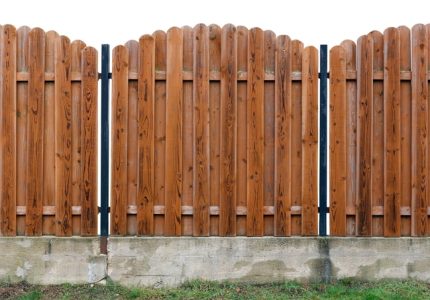
Are you a proud owner of a wooden fence? Maintaining its beauty and longevity requires special care throughout the year. Each season brings its own challenges and demands when it comes to fence maintenance. To ensure your wood fence remains sturdy and attractive, it is important to follow a proper care routine tailored to each […]
Read More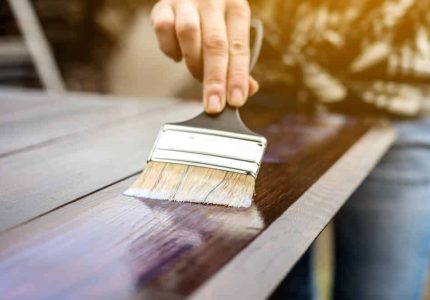
Have you ever driven by a home with a fence that looked completely out of place? It’s important to remember that your fence is not just a functional barrier, but also a part of your home’s overall appearance. Choosing a fence that complements your home’s architecture can add to its curb appeal and even increase […]
Read More
Summer can be a favorite season of the year because it’s the time you can enjoy the outdoors on your porches and sprawl on the lawn. This season brings in the sunshine and moisture that’s been craved for during winter. It also makes you take precautions to prevent any damages that can be caused by […]
Read More