


New Orleans Fencing Solutions for Every Budget
Residential License # 890459
Commercial License # 3667

 BigEasyFences
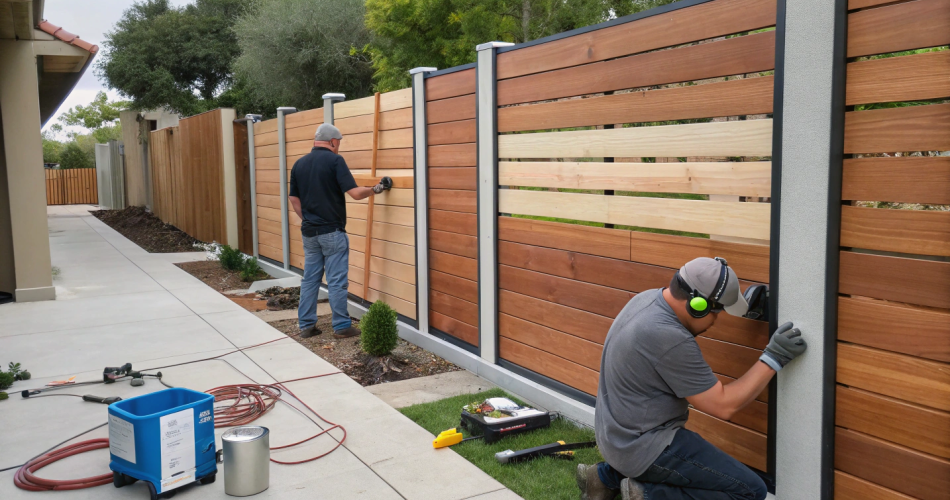
 Our installation techniques include exact spacing, proper fastening, and durable finishes that stand up to New Orleans’ unique climate. Pairing state-of-the-art tools with sustainable materials, we craft fences that elevate your property’s worth and suit any style.
From correct post anchoring to effective staining, these modern wood fence installation techniques every homeowner should know. Our experts at Big Easy Fences will be willing to educate you further and assist you.
 A solid plan is essential for a successful modern wood fence installation. Keep in mind three key factors: design, materials, and regulations, to ensure your project is beautiful and durable.
Consider horizontal slats for a sleek, modern look, or vertical boards for traditional homes. Incorporate elements like integrated lighting or automated gates for added functionality. Your fence should blend with your home and landscape while appealing to neighborhood aesthetics.
Personalize your fence with decorative panels or unique layouts, balancing style with practicality. Taller fences offer more privacy, while tighter board spacing can enhance security.
Choose materials based on durability, maintenance, and climate:
While wood offers a natural look, it requires more upkeep. Composite and vinyl, though pricier, last longer with less maintenance.
Check property lines before installation to avoid disputes, and review zoning laws for height restrictions. Obtain any necessary permissions and verify HOA rules to avoid fines.
Budget for materials, labor, and permits. A 150-foot fence typically costs between $4,000 and $6,000, including extras like staining. Factor in future maintenance for lasting value.
The updated wood fence installation is a bit of an art form. It takes meticulous preparation, exactness, and safety compliance to generate a long-lasting, attractive finish. Here, we walk you through each step of this process.
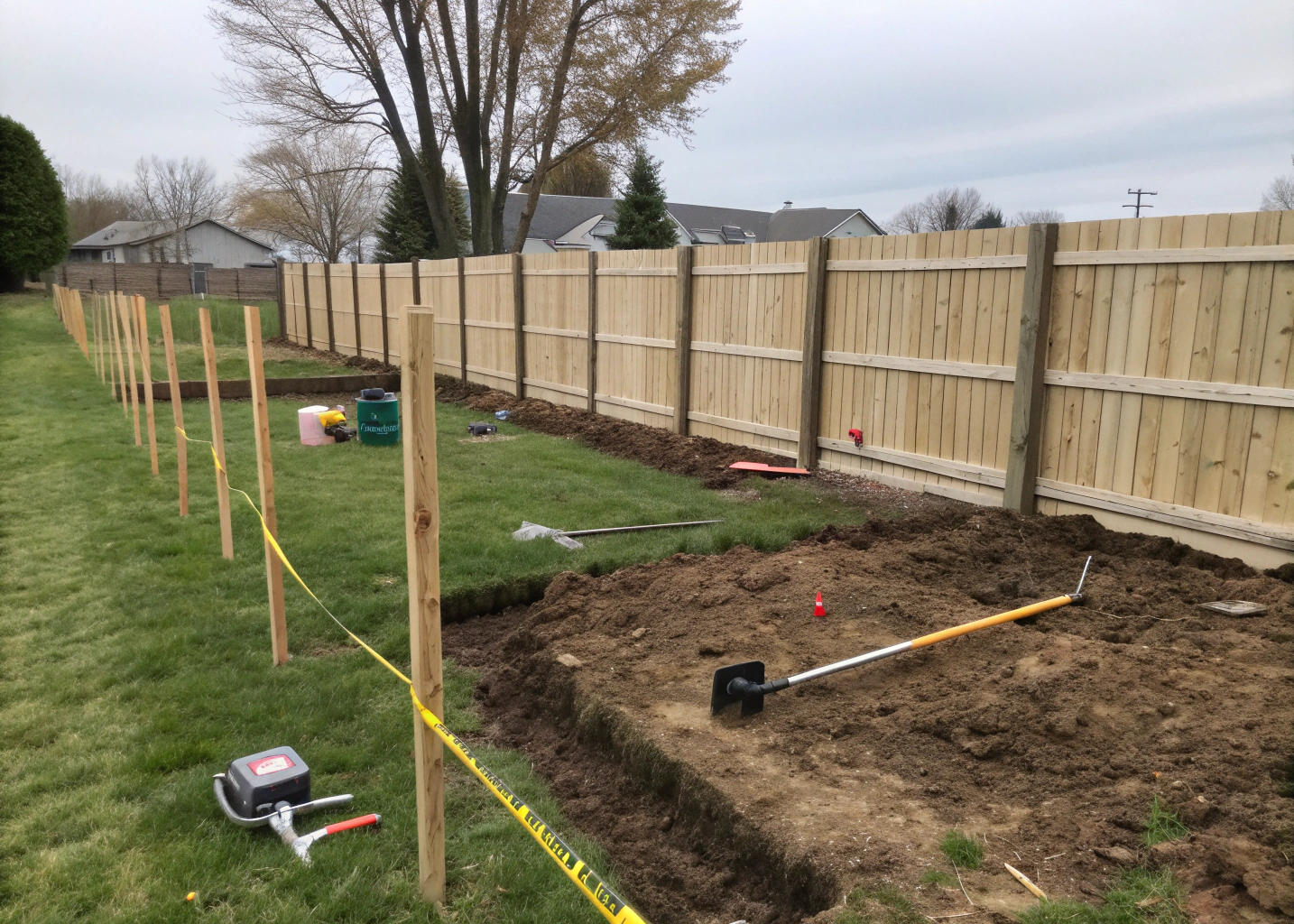
Staking out the fence line with stakes and twine. This avoids misalignment and keeps a clean visual guideline. Before you dig, call your utility locator service to help you find underground utilities and to save you from expensive mishaps. Remove any rocks, plants, or other debris that may hinder construction. Last, but not least, accurately measure and mark post hole locations, because spacing is everything!
Dig post holes to your area’s frost line, 2-4 feet is normal. Laying a gravel base enhances drainage, protects the posts from rot. Dry concrete mix is perfect here, as it makes setting a bit easier. Stabilize the posts with temporary bracing while the concrete cures, a process that usually requires 24–48 hours.
The horizontal rails are essential for the fence’s skeleton. Fasten them to posts with corrosion-resisting screws or brackets. Equal spacing between rails provides a balanced appearance and equal height. Double-check all measurements to ensure you don’t place them askew on sloped or uneven ground.
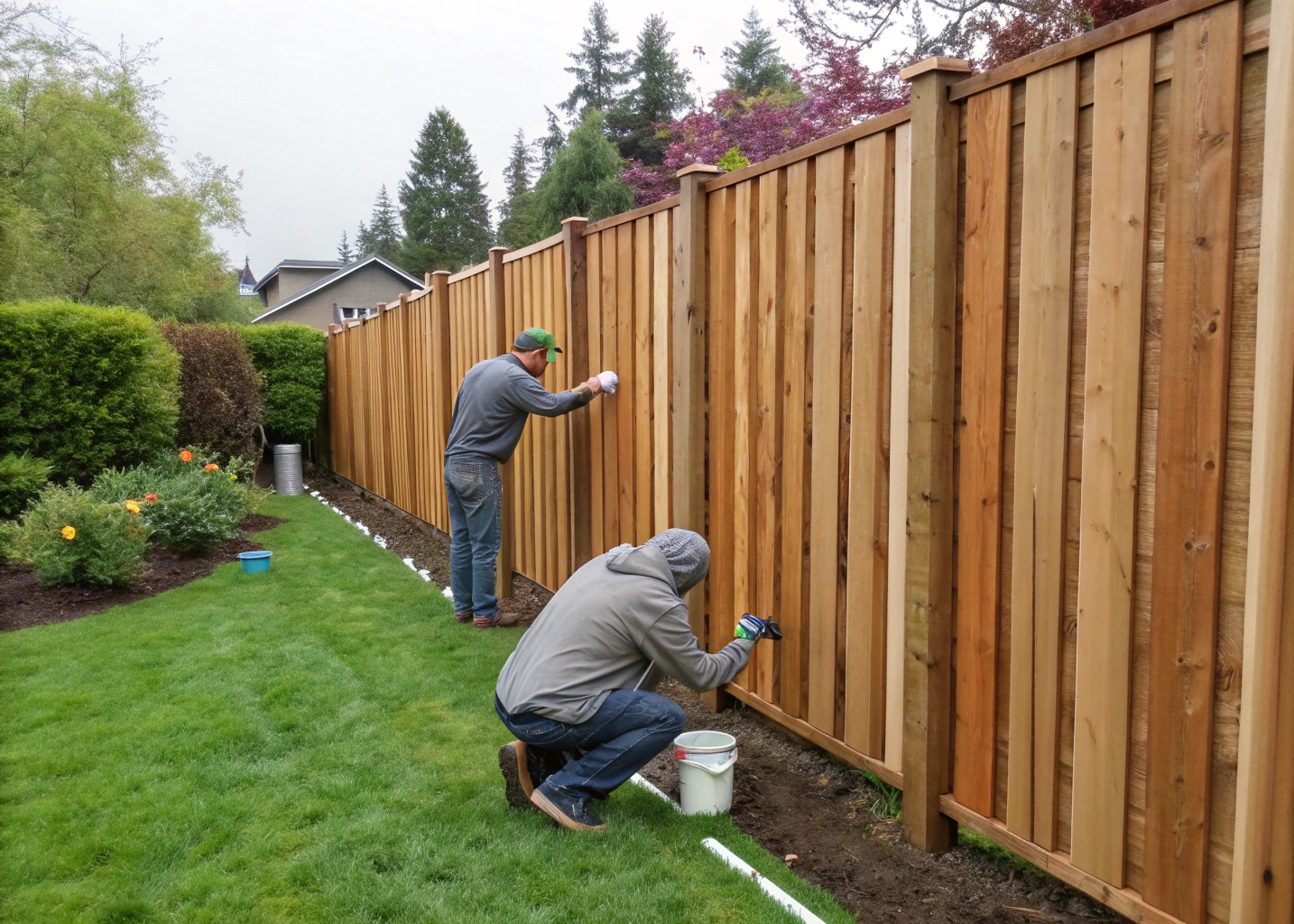
It’s the installation of the panels or slats BETWEEN the rails that gives the fence its finished look. Panel spacing lets you customize for privacy or decorating requirements. A bubble level gives you straight, even placement, and securing each piece keeps it from sagging down over time.
Mount your gate strategically for convenient access. Install gate posts strong enough to support the additional load, and securely fasten hinges and latches. Test the gates’ alignment and fine-tune to swing smoothly.
A quality fence installation goes beyond appearance; it involves materials, craftsmanship, and methods that affect longevity, safety, and value.
Hire a reputable contractor with experience. Look for reviews, ask for references, and request detailed quotes. Be cautious of low-cost options, as they may compromise quality. Ensure they have the necessary licenses, insurance, and warranties. Choose an installer who matches your design preferences and budget.
Installing your fence requires honest self-assessment. Complicated layouts or uneven ground can pose challenges. While DIY may save money, mistakes like poorly set posts can lead to costly repairs. Weigh the savings against potential issues.
Investing in a quality fence pays off. Cutting corners may seem cheap initially, but can lead to expensive repairs later. Durable materials and proper installation enhance sturdiness and curb appeal, adding value to your property. In contrast, poorly installed fences can decrease property value.
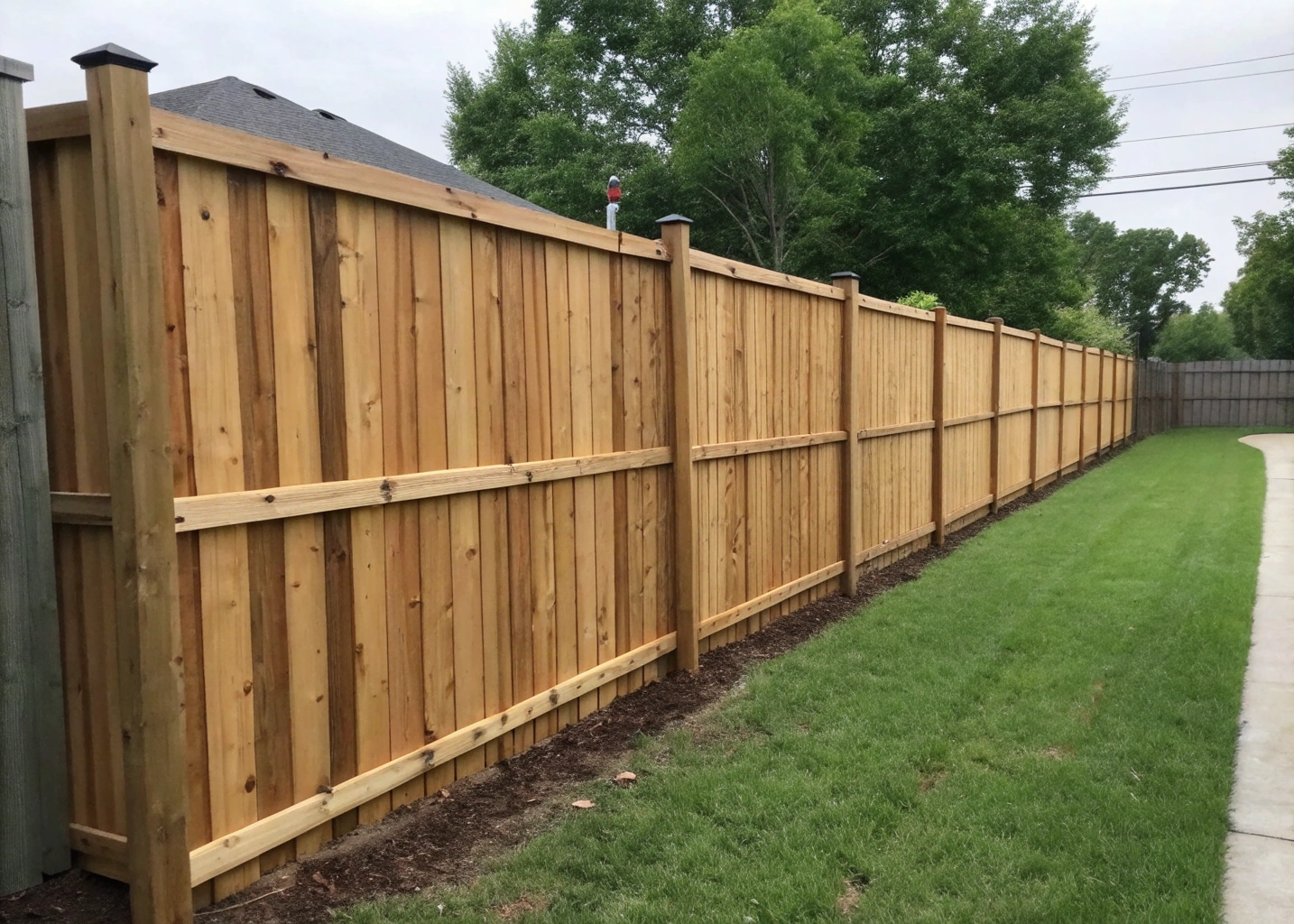
Wooden fences provide style, privacy, and durability. Proper planning and execution ensure your fence remains attractive and sturdy for years. Each detail matters, and avoiding shortcuts can save you headaches later. A well-installed fence not only protects but also enhances your property. Contact us today for reliable craftsmanship!

You must choose the material after deciding whether to build a fence in your front or back yard. Although there are numerous fence materials available, many homeowners prefer the tried and true natural wood fence look to complement their home. If you decide to install a wood fence in your yard, you must choose the […]
Read More
The overwhelming number of choices for fence materials and fencing styles can make it very difficult to decide on the best fence type for your home. What are some factors you should consider? How will you be assured that the fence you choose to install for your home will last for years down the road? […]
Read More
Wood and vinyl are top contenders. Each offers unique benefits and challenges in terms of durability, maintenance, and cost. As popular materials for fences, understanding the differences between wood and vinyl can help you make an informed decision. This post from Big Easy Fences will delve into the pros and cons of each material, providing […]
Read More
A fence is one of the most important features of a property that enhances its overall aesthetic appeal. There are a handful of materials that you can choose from in building your fence that will mainly provide the protection you need for your home. One of the oldest and most popular fencing materials being used […]
Read More
Good fences make good neighbors is something that we would often hear when talking about fences. But something we should really talk more about is how good fences also make great investment. When your property has an aesthetically pleasing fence curb, it significantly adds to your home’s overall value. But it does the opposite when […]
Read More
Find out if pressure treated wood is a better long-term investment than cedar. We compare the durability, maintenance, and longevity of both materials to answer the question: Does Pressure Treated Wood Last Longer Than Cedar?
Read More