


New Orleans Fencing Solutions for Every Budget
Residential License # 890459
Commercial License # 3667

 BigEasyFences
 Maintaining a wood fence is essential for preserving its beauty, functionality, and longevity. This guide explores expert strategies and practical tips to keep your wood fence in top condition, helping homeowners prevent damage and extend its lifespan efficiently.
A wood fence is more than just a boundary for your property; it’s a statement of style, privacy, and security. However, exposure to the elements, pests, and general wear and tear can shorten its lifespan if not properly maintained. With the right care and timely interventions, your wood fence can remain durable, attractive, and functional for decades. Big Easy Fences specializes in providing top-quality fencing solutions, and following these professional maintenance strategies will help you get the most out of your investment.
Wood fences are naturally vulnerable to environmental factors such as rain, sunlight, humidity, and temperature fluctuations. Over time, untreated or poorly maintained wood can warp, crack, rot, or become a target for insect infestations. Proactive maintenance not only enhances the visual appeal of your property but also prevents costly repairs or premature replacement.
Maintenance also protects the structural integrity of the fence. Loose posts, sagging panels, or weakened pickets can compromise safety and security. By understanding the specific needs of your wood fence and taking regular care measures, you can extend its life significantly.
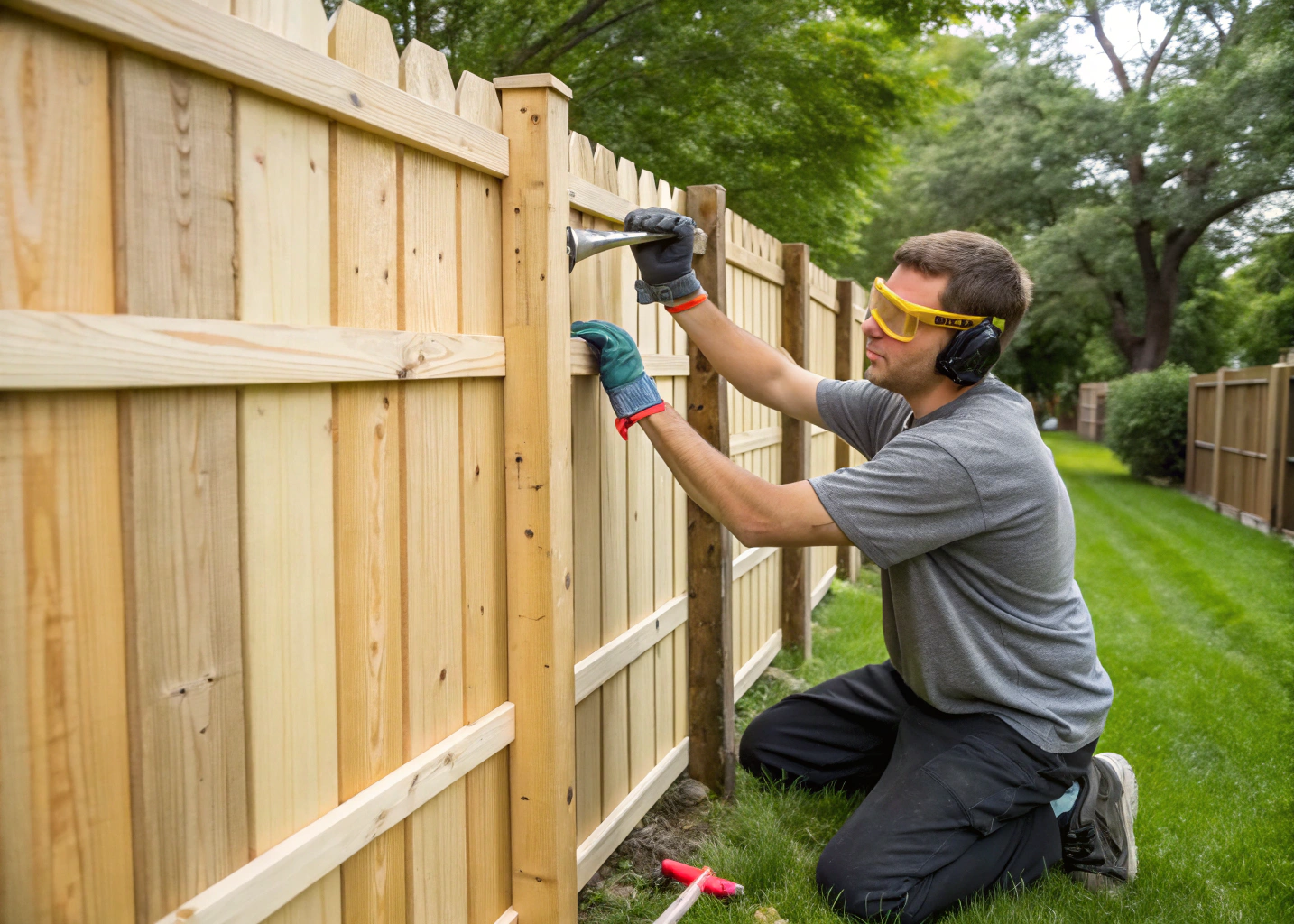 Regular inspections are the cornerstone of fence maintenance. A thorough inspection should be conducted at least twice a year—preferably in spring and fall. Start by checking for signs of water damage, such as discoloration, swelling, or mold. Look for loose nails, screws, or brackets, as these can weaken the structure. Examine posts and panels for rot or insect activity, particularly near the ground or areas prone to moisture accumulation.
During inspections, pay attention to areas where your fence meets the soil. Grass, vines, or debris in contact with the wood can trap moisture and accelerate decay. By addressing minor issues early, you prevent more significant damage and maintain the fence’s overall strength.
Cleaning is a vital yet often overlooked aspect of wood fence care. Accumulated dirt, mildew, and organic debris can degrade the wood’s surface over time. Use a mild detergent and water solution, applying it with a soft brush to scrub away grime. For tougher stains, a pressure washer on a low setting can be effective, but caution is necessary to avoid damaging the wood fibers.
Rinsing the fence thoroughly after cleaning removes any soap residue and prevents discoloration. This simple step not only enhances the fence’s appearance but also prepares it for subsequent treatments such as sealing or staining.
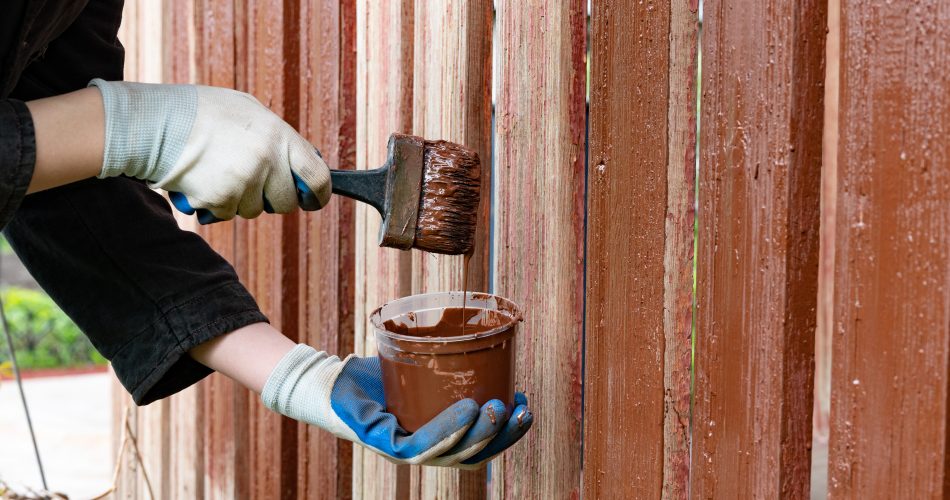
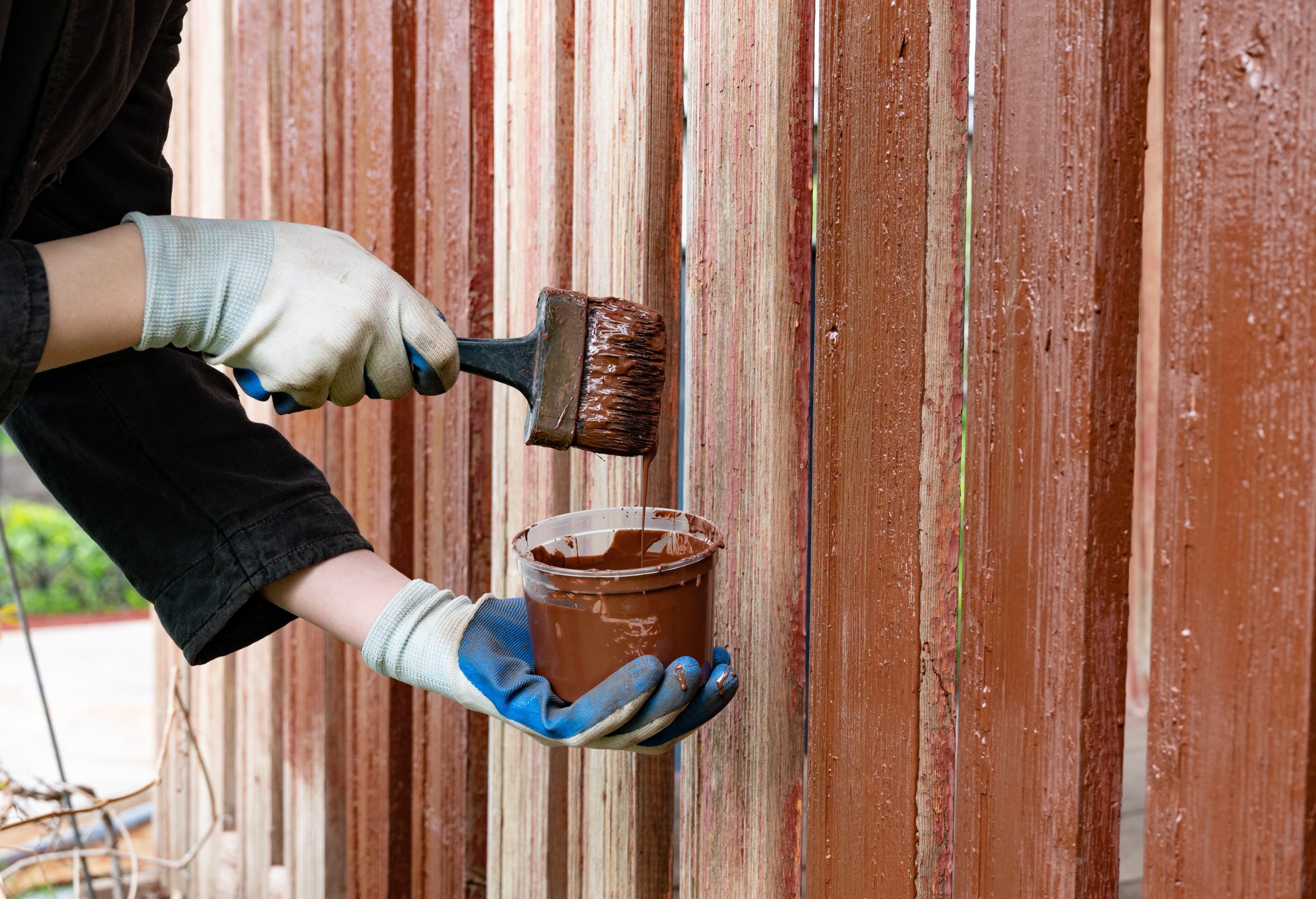
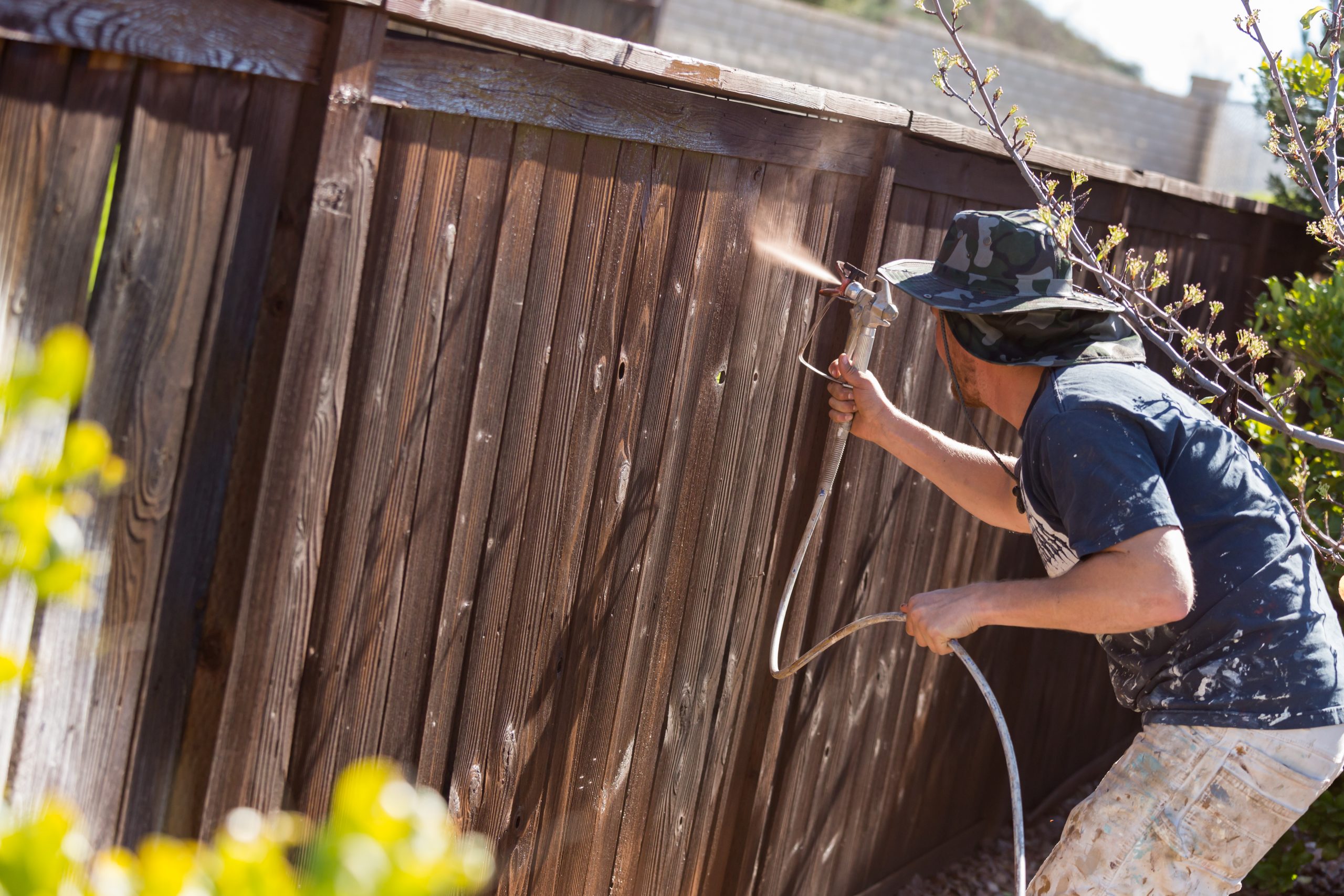 One of the most critical steps in wood fence maintenance is applying protective coatings. Wood sealers and stains provide a barrier against moisture, UV rays, and temperature changes. Opt for a high-quality water-repellent sealer that penetrates the wood while allowing it to breathe. Transparent or semi-transparent stains can enhance natural wood grain while providing additional protection.
Reapplication is necessary every 2–3 years, depending on weather conditions and wood type. Regular sealing prevents cracking, warping, and rotting, ensuring your fence maintains both its aesthetic appeal and structural integrity.
Even with regular maintenance, wood fences can incur damage from storms, accidental impacts, or natural wear. Addressing these issues promptly is essential to prevent them from escalating. Replace broken or rotting boards immediately, and tighten or replace any loose hardware.
For minor cracks or splits, wood filler and sanding can restore the surface before resealing. Proper repair techniques preserve the fence’s appearance and prevent further deterioration, contributing to a longer lifespan.
Wood-destroying insects such as termites, carpenter ants, and wood-boring beetles pose a significant threat to wooden fences. Preventative measures include applying insecticides or wood preservatives that repel pests. Regular inspections should include checking for sawdust, tunnels, or hollow-sounding wood, which indicate infestation.
Landscaping choices also play a role. Keep plants, shrubs, and mulch away from the base of the fence to reduce moisture accumulation and minimize pest access points. By integrating these protective strategies, you maintain both the aesthetic and functional aspects of your wood fence.
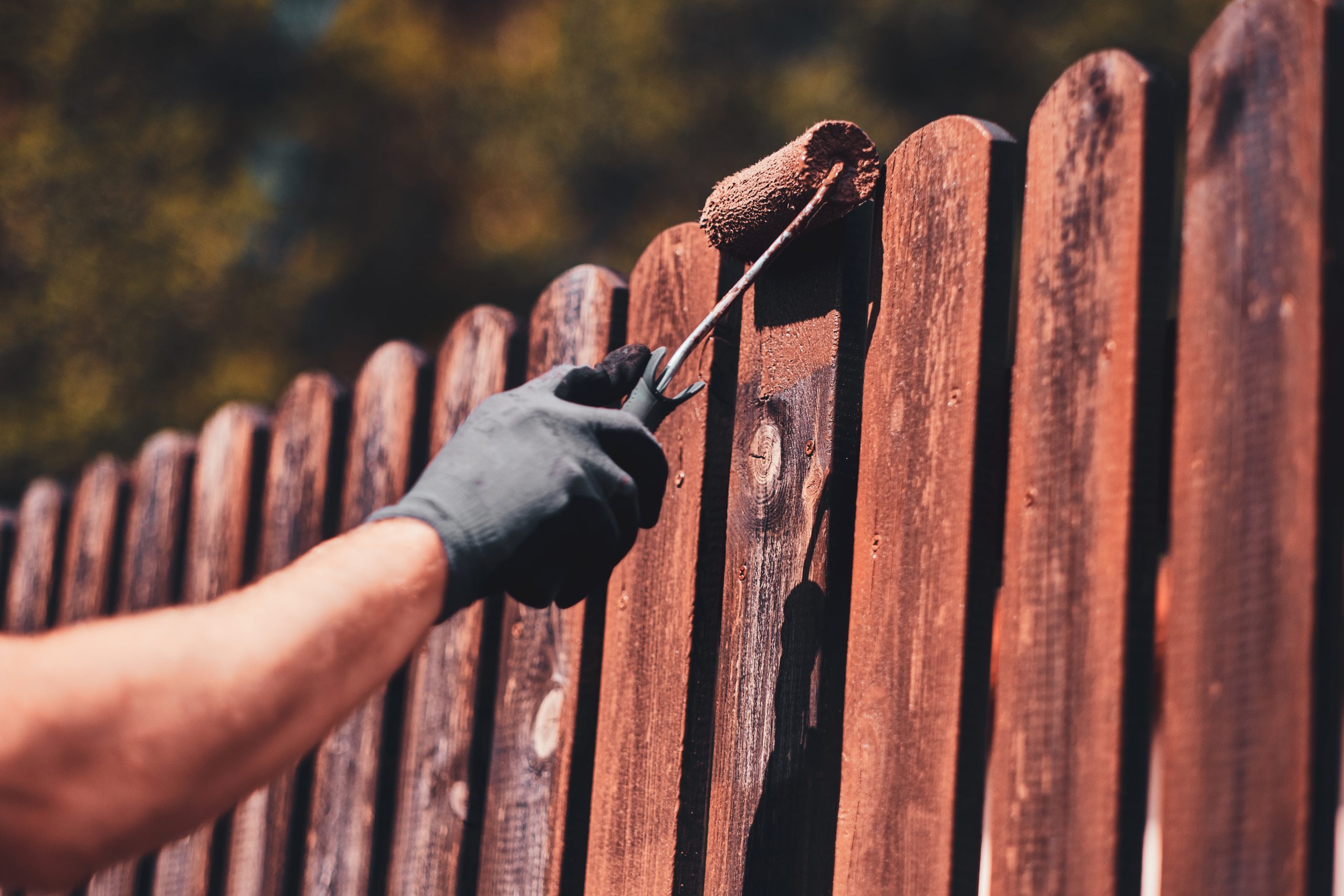 Seasonal care ensures your wood fence withstands environmental stresses throughout the year. In spring, focus on cleaning, resealing, and inspecting for winter damage. Summer is ideal for tightening hardware and addressing minor cracks, while fall should involve clearing debris and preparing the fence for moisture-heavy months. Winter maintenance includes removing snow accumulation and checking for water damage after freeze-thaw cycles.
Adopting a seasonal maintenance routine prevents surprises and keeps your fence looking pristine while functioning optimally throughout the year.
Strategically planning your landscaping can protect and enhance your wood fence. Avoid planting large trees too close, as root growth can destabilize posts, and falling branches may cause physical damage. Ground cover and mulch should be kept at a safe distance from the fence base to prevent moisture-related decay.
Installing gravel or a narrow concrete barrier along the fence line can improve drainage, preventing water from pooling and reducing the risk of rot. These small adjustments in your yard design can significantly extend the life of your fence while maintaining its visual appeal.
Selecting durable wood species plays a crucial role in fence longevity. Cedar, redwood, and pressure-treated pine are among the most resilient options, naturally resistant to rot and insect damage. Knowing the specific characteristics of your fence wood informs your maintenance strategy, including the type of sealer, stain, or treatment required.
Regular monitoring and proper care tailored to the wood type ensure that your fence remains structurally sound and visually appealing for years.
While DIY maintenance is effective, professional fence services can provide additional expertise. Companies like Big Easy Fences offer inspections, repairs, staining, and sealing services that extend the fence’s lifespan beyond standard care. Professionals can identify subtle issues that may go unnoticed, ensuring a thorough and long-lasting maintenance plan.
Engaging experts also guarantees that repairs are done with precision, preserving the fence’s structural integrity and overall aesthetic, providing peace of mind for homeowners.
A well-maintained fence enhances the curb appeal and value of your property. Regular cleaning, staining, and minor repairs ensure the fence complements your landscape rather than detracts from it. Over time, consistent upkeep prevents discoloration, mold, and uneven fading, keeping your fence looking fresh and inviting.
Visual appeal is often a motivating factor for homeowners, making consistent maintenance an investment in both functionality and property aesthetics.
Maintaining a wood fence requires a combination of regular inspections, cleaning, protective treatments, prompt repairs, and pest prevention. By integrating seasonal care routines, thoughtful landscaping, and professional support when needed, your fence can remain durable, attractive, and secure for decades.
Trust Big Easy Fences to provide expert guidance, quality products, and professional services to help you maintain your wood fence effectively. With the right care, your investment will continue to provide privacy, security, and beauty for years to come.
It is recommended to inspect your fence at least twice a year, ideally in spring and fall, to catch any damage or signs of wear early.
Use a mild detergent and water solution with a soft brush, or a low-pressure washer for tougher dirt. Rinse thoroughly before applying any sealant or stain.
Reapply a water-repellent sealer or stain every 2–3 years, depending on weather conditions and wood type, to maintain protection against moisture and UV damage.
Regular inspections for termites and carpenter ants, keeping vegetation away from the base, and applying protective insecticides or wood preservatives can prevent infestations.
Basic cleaning, sealing, and minor repairs can be done DIY, but professional services like Big Easy Fences ensure comprehensive maintenance, precise repairs, and long-term durability.
Are you tired of looking at your worn-out and dilapidated wooden fence? Do you want to bring it back to life and enhance the curb appeal of your property? Look no further! Wood fence restoration is the key to reviving your old fence and giving it a new lease on life. Over time, exposure to […]
Read More
Creating an All-Season Dining Experience with Retractable Commercial Patio Covers is a game-changer for businesses in New Orleans. In fact, when it comes to enhancing the customer experience and boosting revenue, this is their #1 solution. But let’s face it – creating an all-season dining space isn’t as simple as throwing up some patio covers […]
Read More
Do you have a wood fence that is showing signs of wear and tear? Are you looking for ways to extend its lifespan and enhance its overall appearance? If so, then learning the art of staining and sealing your wood fence is essential. Wood fences are a popular choice for homeowners due to their natural […]
Read More
Not all fences are the same. The used for durable fences could be the same across many homeowners for safety and aesthetic purposes but there are various different types of fences to choose from. For different fences, you should also consider various elements such as installation costs, type of material and level of maintenance. The […]
Read More
Schools are important places for children to learn and grow. They should be safe havens where kids can feel secure and protected. Unfortunately, this isn’t always the case. There have been too many reports of violence, bullying, and even shootings taking place on school grounds. That’s why more and more schools are investing in fencing […]
Read More
Explore different types of wood fences in New Orleans, from charming picket styles to durable materials, and find the perfect fence for your property.
Read More