


New Orleans Fencing Solutions for Every Budget
Residential License # 890459
Commercial License # 3667

 BigEasyFences
 As fencing professionals at Big Easy Fences, we swear by premium sealants, routine care, and precise installation to defeat issues such as moisture, UV rays, and temperature swings. In New Orleans, where the weather calls for additional attention, our county-specific techniques combat these elements, maintaining both utility and beauty. Discover effective strategies to weather-proof your wood fence in 2025.
 Weather-proofing your wooden fence requires it and will keep it safe from the weather conditions, plus extend its lifespan. Weather-proofing allows one to stay away from making repairs, maintains the integrity of the home, and it will be a less costly outdoor space that looks much better.
Wood fences are at risk of swelling and warping due to moisture content. Ultimately, without weather-proofing, there could be premature degradation of durability and strength due to fencing problems.
The extremes of weather situations, like high winds or heavy rain, can lead to increased strain and stress for fences. Weather-proofing essentially provides a barrier between elements like UV exposure, preventing the wood from drying and cracking over time.
Inspecting wood regularly and treating it appropriately with products like wood preservatives, following the manufacturer’s recommendations, will inhibit rot and extend the life of your fence.
Here’s how weather-proofing saves you money:
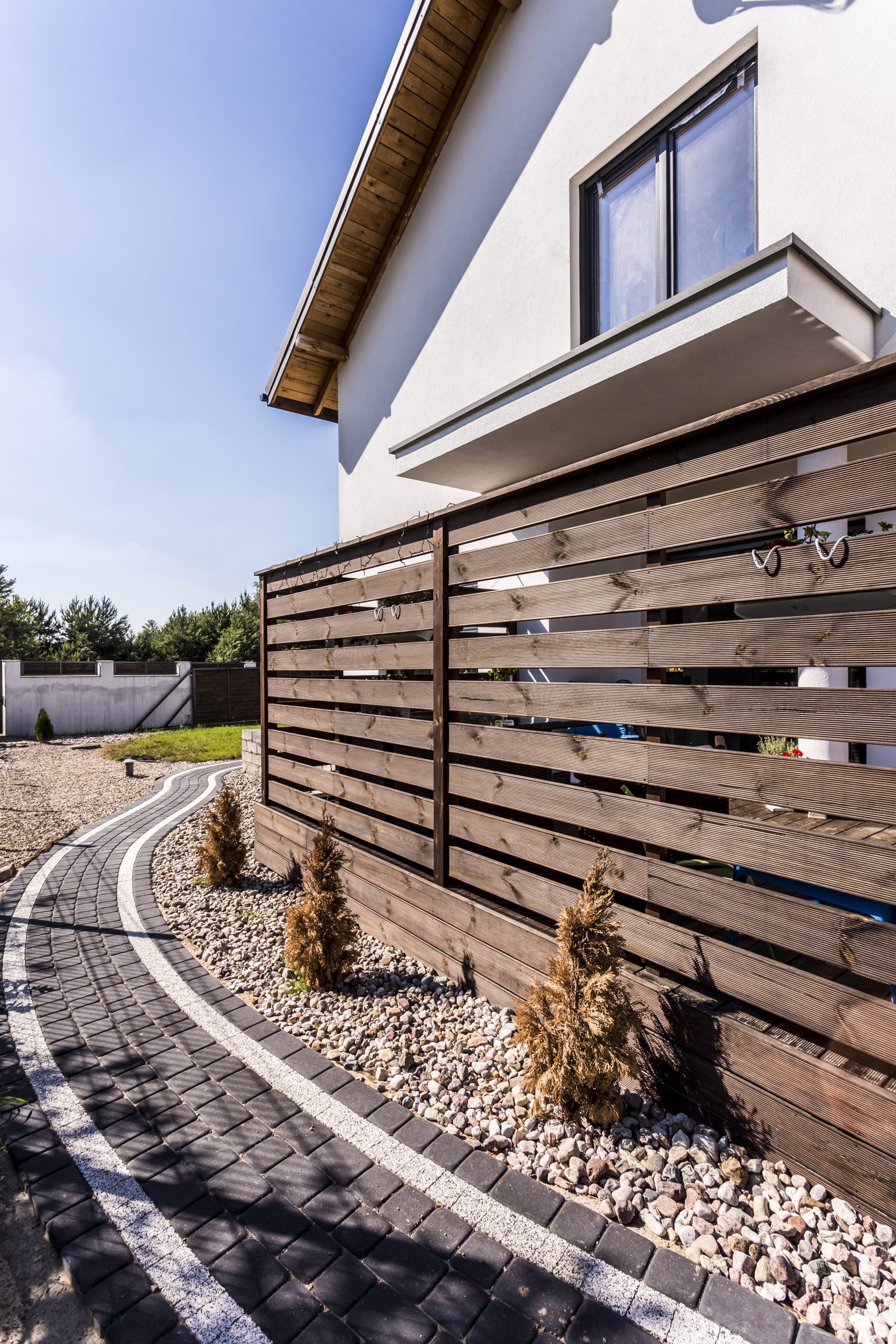
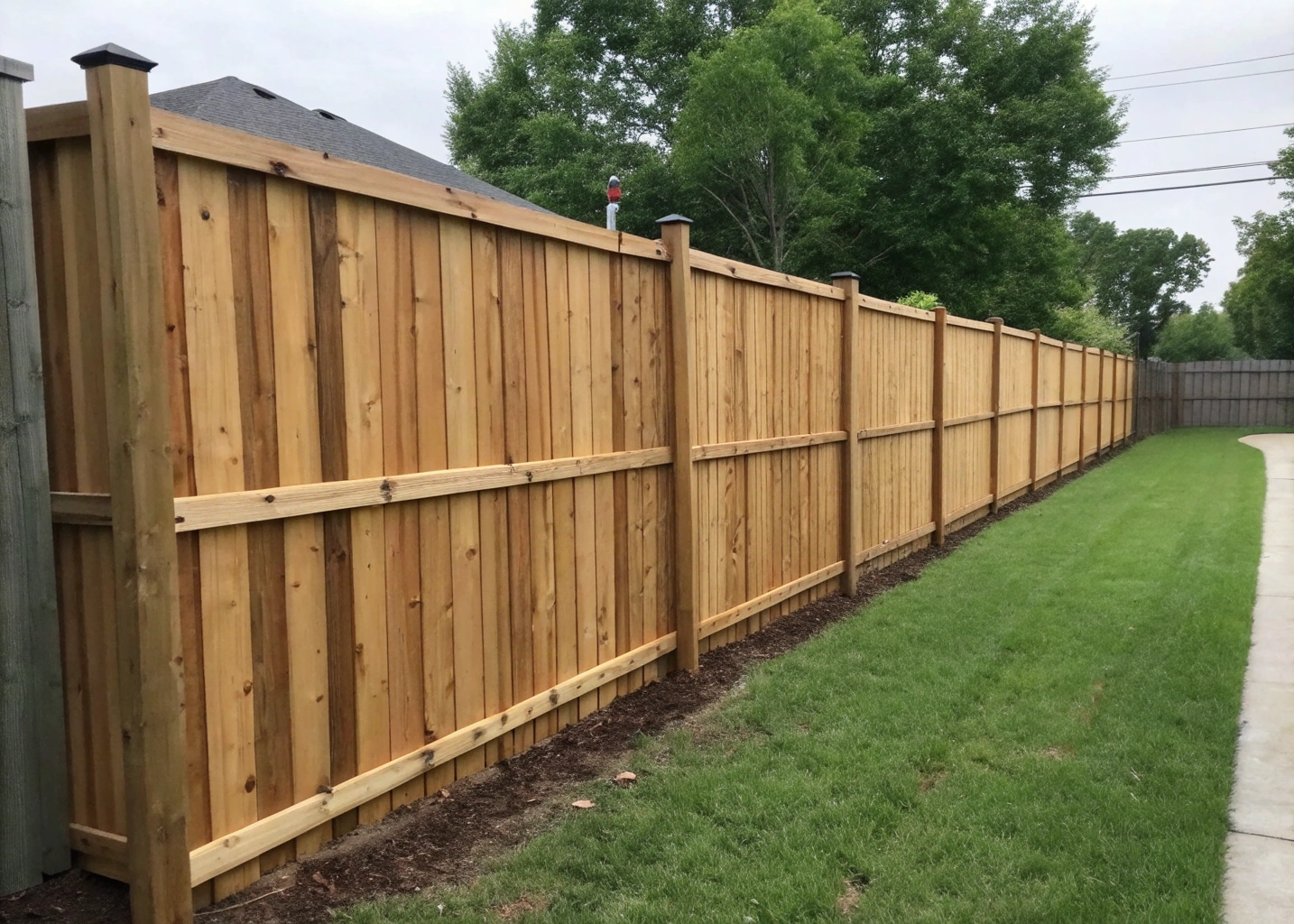
Weather-proofing maintains your fence in like-new condition. Protective finishes guard against peeling and fading due to UV exposure, keeping color and finish alive, which increases property value.
An attractive fence enhances your landscaping and your home’s look.
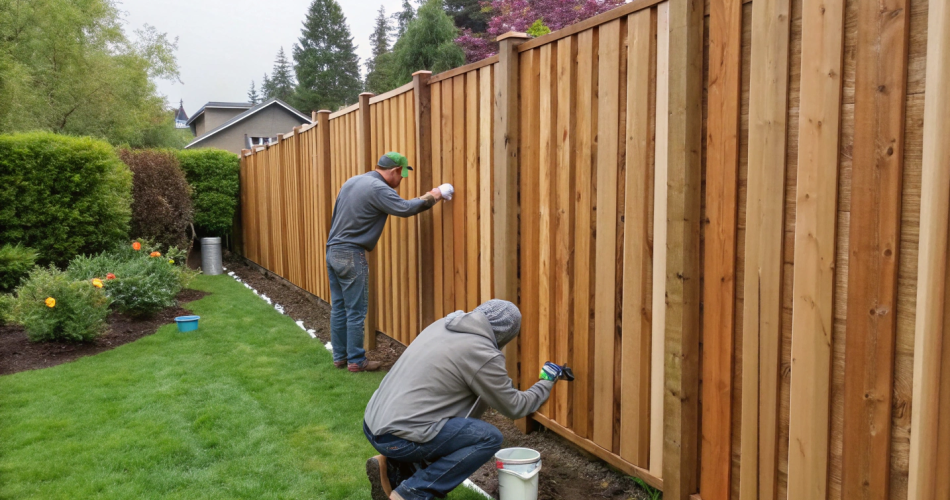
Before weatherproofing your wood fence, evaluate the condition to make repairs or maintenance. Preparation in this manner guarantees that weatherproofing products stick well, making your fence last longer and conserving resources.
It is crucial to know the type of wood your fence is constructed of to weatherproof it correctly. Cedar is decay-resistant on its own, but pine and redwood might need to be resealed more often. Use the appropriate stains or sealers for your wood type—oil-based stains for cedar and water-based sealers for pine—to achieve maximum protection.
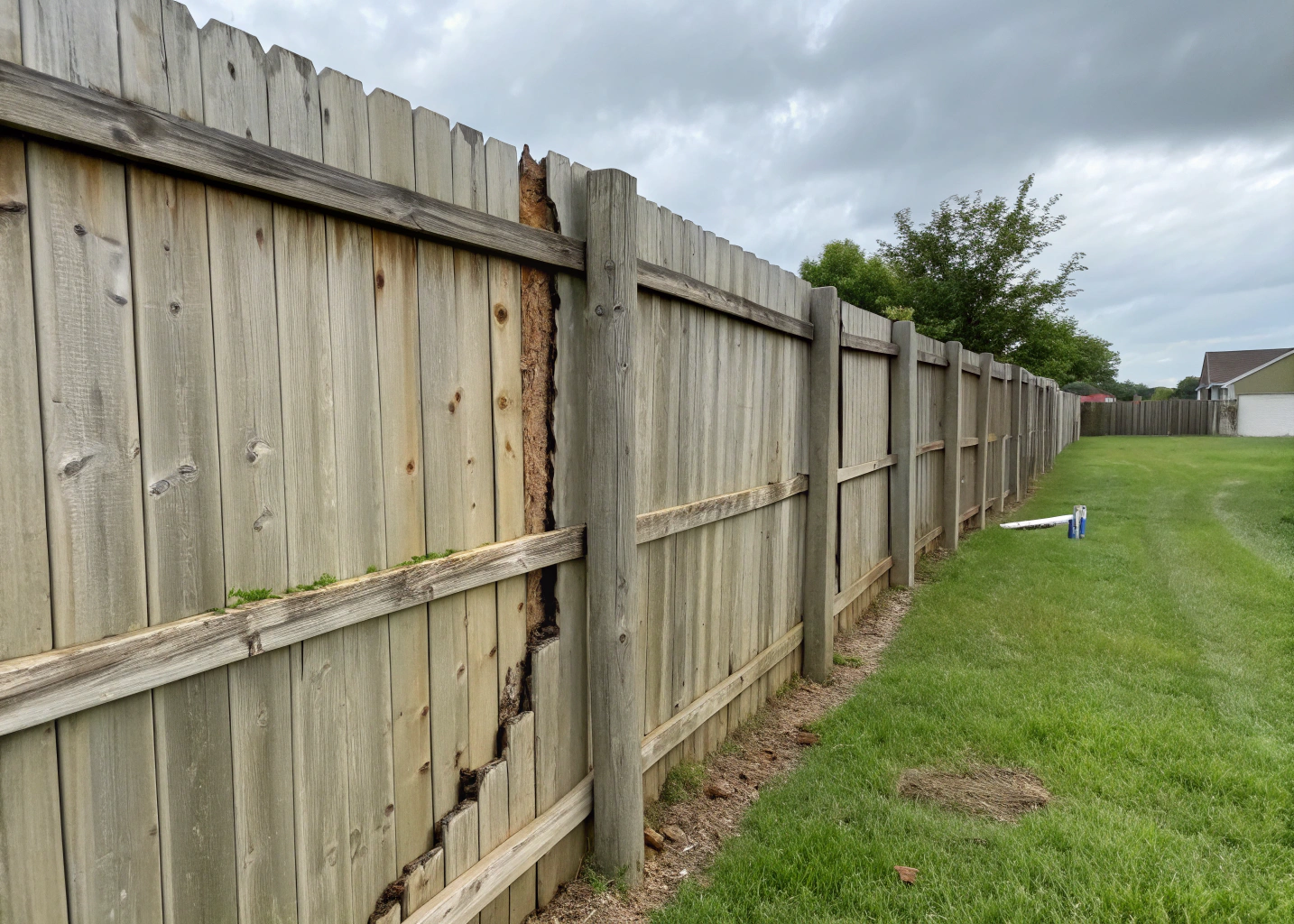
Check your fence thoroughly for any damage, like wood rot, broken or warped panels, or loose boards. Drain standing water near posts and repair sun damage like fading and cracking, which need UV-protective coatings. Repairing these issues will ensure your fence stays firm prior to weatherproofing.
Your regional climate greatly affects your weatherproofing plan. In humid regions, use mold and mildew-resistant materials; in arid climates, use UV-blocking finishes.
Weather patterns that vary with seasons, such as cold winters or stormy summers, require versatile finishes to endure stress. Always think about your surroundings for maximum fence lifespan.
Wood fences in 2025 Wooden fences in 2025 weather-proofing wood fences, weatherproof wooden fences! Through emphasis on preparedness, the application of top-tier coatings, and the strategic fortification of key structures, we guarantee enduring resilience and operation.

To clean the surface is the gospel of good weather-proofing. Dirt, mildew, and debris have to be washed away because they get in the way of coatings.
Sanding is necessary to soften rough areas and help your treatments stick. Any damaged areas need to be repaired — untreated cracks or weaknesses will allow water to seep in and cause rot. Lastly, it has to be bone dry–moisture beneath coatings will bubble or peel them.
Sealants are important both to shield fences from moisture and rot. Premium wood sealers, particularly ones with UV blockers, protect against sun damage and fading. Polyurethane-based waterproofing membranes provide fantastic water resistance for areas with heavy rainfall. Several coats of eco-friendly sealers provide coverage, and their elasticity allows the wood to flex.
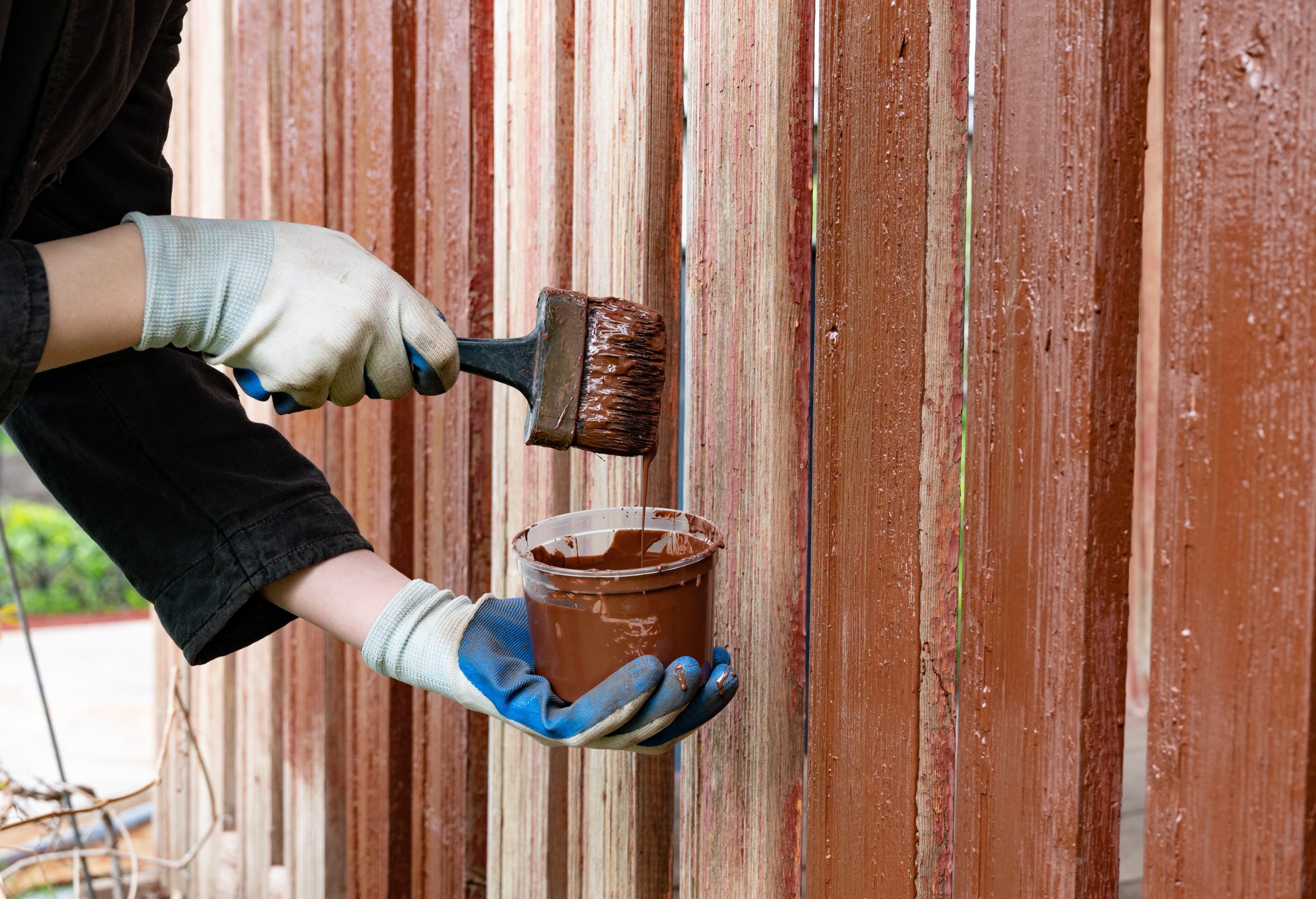
Weather-resistant stains are nice and pretty. UV-protective stains prevent stains as well as discoloration from the sun, helping to maintain the fence’s look.
Choosing colors that match nearby buildings adds to the effect. To stay effective, stains should be reapplied from time to time, particularly in regions with extreme weather, such as freeze-thaw cycles.
Using a topcoat enhances the life of your fence and maximizes the protection against harsh environmental conditions.
Accessories such as caps for your fence and protective post guards can help weather-proof your fence by preventing water from pooling in parts of your fence that may cause rot to your wood constituents.
Additionally, rot barrier sleeves can be used around your posts to maintain structural integrity, and rust-resistant fasteners will keep your fence sturdy for years to come.
Windbreaks can also be used to give you an extra layer of protection in exposed windy conditions.
Weather-proofing your wood fence is a good idea as it provides an aesthetically richer appearance and longevity. It is important to conduct regular upkeep, like cleaning and sealing, to prevent rot, warping, and/or fading on your fence.
For further protection, think about using advanced options with waterproof coatings and/or UV stains. By keeping your fence well-maintained, you can add value to your property through its appearance and potentially its capability to endure all seasonal elements.
At Big Easy Fences, we provide solutions that make your home an easier place to live in, depending on your home and your budget. Whether you are replacing an old fence or weather-proofing a new fence, these strategies carry benefits.
A small bit of well-spent effort can save you time and money. For professional help with your fence, contact us to weather-proof your fence!
Are you looking to build the perfect fence for your property? Choosing the right wood is essential for durability and aesthetics. In this article, we will guide you through the process of selecting the ideal wood for your fence. We’ll cover the factors to consider, the different types of wood available, and how to determine […]
Read More
New homeowners often overlook the importance of the smooth functionality and aesthetic value of their fences; they simply install a traditional wooden fence and forget about it. However, with growing concerns about the environment, it’s more important than ever to consider sustainable fencing options. Fencing not only secures your property but also adds visual appeal […]
Read More
Are you in the market for a new fence for your property? With so many options available, it can be overwhelming to try to decide which one will not only meet your needs but also enhance the aesthetic appeal of your home. One popular choice that has been gaining traction in recent years is the […]
Read More
Wooden fences are a classic choice for homeowners looking to add privacy and curb appeal to their property. In recent years, modern wood fence designs have become increasingly popular, offering a fresh take on a traditional favorite. With 2024 just around the corner, it’s the perfect time to explore the top modern wood fence designs […]
Read More
In today’s environmentally conscious era, the choices we make for our homes and properties extend beyond mere aesthetics or durability. Fencing, a pivotal element of any property, isn’t exempt from this shift in perspective. As sustainability becomes an ever-growing concern, wood fences emerge as a frontrunner, offering a harmonious blend of tradition and eco-responsibility. This […]
Read More
Whether it’s from rotting due to passage of time or damages caused by environmental factors like erosion, wind or heavy rains, fences naturally weaken, lean and deteriorate eventually if left unchecked. No matter how perfect and beautiful it looked when you first put up your fence, time can take its toll on it. That’s why […]
Read More